

A Complete Health Solution for Your Child
Whether you are new parent or a seasoned one, I am here to partner with you in your child’s healthcare journey from routine check-up to managing complex medical conditions, offering guidance, reassurance, and expert advice when you need it most.

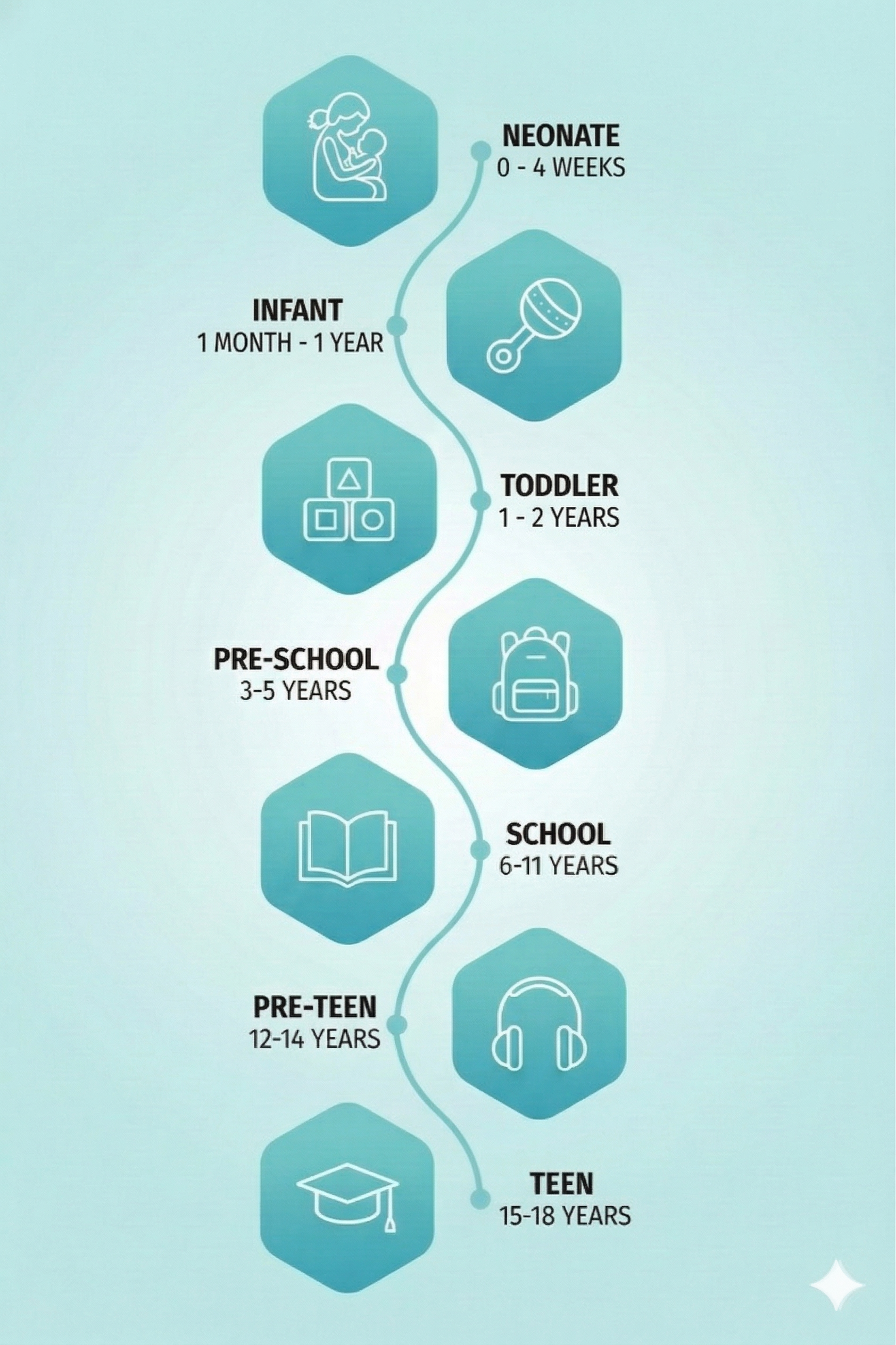
Targeted Age Groups
About Doctor
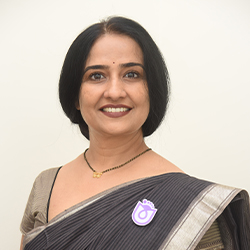
Dr. Seema Joshi
MBBS, DNB (Paediatrics), MNAMS, PGDAP
Consulting Neonatologist, Paediatrician & Adolescent Counsellor
Current Association
- Senior Consulting Pediatrician at Ankura Hospital for Women & Children, Aundh, Pune
- Neonatologist & Pediatrician at Ruby Hall Clinic, Hinjawadi, Pune
With over 2 decades of dedication to child health, Dr. Seema Joshi brings unparalleled expertise to various clinics & hospitals she operates from in Western & Central Pune.
A respected pediatrician & neonatologist with a proven track record, she has been associated with various esteemed hospitals & institutions.
She was also involved in research projects at All India Institute of Medical Sciences, New Delhi in their Pediatrics department & has multiple research papers to her credit in the field of Pediatric Gastroenterology & endoscopic sclerotherapy.

General Red Flags
- Difficulty in breathing, is drowsy or has blue lips
- Convulsions or unresponsiveness
- Persistent vomiting or diarrhea
- No Urine for more than 8 hours
- Rash with purple spots or bruises
- Fever more than 1040 F or lasting for more than 5 days
- Go to the nearest Emergency Department
Note: To view age group wise Red Flags click here.
Health Tips
Click on the '+' or the specific tip to know more
1. Provide a Balanced and Nutritious Diet
Children need a variety of nutrients for proper growth and brain development.
- Include fruits and vegetables daily
- Offer whole grains instead of refined grains
- Provide protein sources such as eggs, beans, dairy, or lean meat
- Limit sugary snacks and processed foods
A balanced diet supports strong immunity and healthy weight gain.
2. Encourage Adequate Hydration
Water is essential for digestion, circulation, and temperature control.
- Encourage regular water intake throughout the day
- Limit sugary drinks and packaged juices
- Increase fluids during hot weather or illness
3. Ensure Age-Appropriate Sleep
Sleep is critical for physical growth and brain development.
- Toddlers: 11–14 hours per day
- Preschoolers: 10–13 hours
- School-age children: 9–12 hours
Poor sleep may affect concentration, mood, and immunity.
4. Maintain Proper Hygiene
Teaching hygiene habits prevents common infections.
- Handwashing before meals and after toilet use
- Daily bathing
- Regular nail trimming
- Brushing teeth twice daily
Good hygiene reduces the spread of illness at home and school.
5. Follow Recommended Vaccination Schedules
Vaccines protect children from serious and preventable diseases. Follow immunization schedules recommended by organizations such as the World Health Organization and the Indian Academy of Pediatrics, or your local health authority. Consult your pediatrician to ensure your child’s vaccines are up to date.
6. Promote Daily Physical Activity
Children should engage in at least 60 minutes of physical activity daily. Examples:
- Outdoor play
- Cycling
- Swimming
- Sports activities
- Allow free play
Physical activity strengthens bones, muscles, and heart health.
7. Limit Screen Time
Excessive screen use may affect sleep, posture, and behaviour.
- Avoid screens for children under 2 years (except video calls).
- Limit recreational screen time to 1–2 hours daily.
- Encourage reading and creative play instead.
8. Monitor Growth and Development
Regular health checkups help track:
- Height and weight
- Developmental milestones
- Vision and hearing
- Behavioral concerns
Note: Early detection of issues allows timely intervention.
9. Teach Emotional Well-Being
Mental health is as important as physical health.
- Encourage open communication.
- Spend quality time together.
- Teach problem-solving skills.
- Watch for signs of anxiety or behavioral changes
10. Know When to Seek Medical Care
Consult a doctor if your child has:
- High or persistent fever
- Difficulty breathing
- Severe vomiting or diarrhea
- Poor appetite with weight loss
- Unusual lethargy
Note: Prompt medical attention can prevent complications
Don’ts
- Avoid giving Honey to infants below 1 year. Risk of botulism.
- Limit Sugary drinks and junk food: Opt for healthier alternatives like fruits and nuts.
- Don't ignore fever or unusual symptoms: Consult a pediatrician if concerned.
- Avoid self-medication: Consult a doctor before giving any medicenes.
Do’s
- Breastfeed exclusively for 6 month: Breast milk provides essential nutrients, immunity and improves emotional bonding..
- Introduce home-cooked hygenic solids: Start with soft food like mashed banana, rice or kichadi
- Encourage handwashing: Teach kids to wash hands fequently, especially before eating.
- Stay updated on vaccinations: Follow the Indian vaccination schedule (e.g. Polio drops, MMR vaccine)
Clinic Locations
Book Appointment
Easy steps
-
Select Clinic/Hospital or Tele/Video Consultation
-
Select Date (/Time Slot)
-
Provide Basic Details
-
Make Payment (Only for Online Consultation)
-
Book Appointment
-
Meet your Doctor
-
Review the Doctor